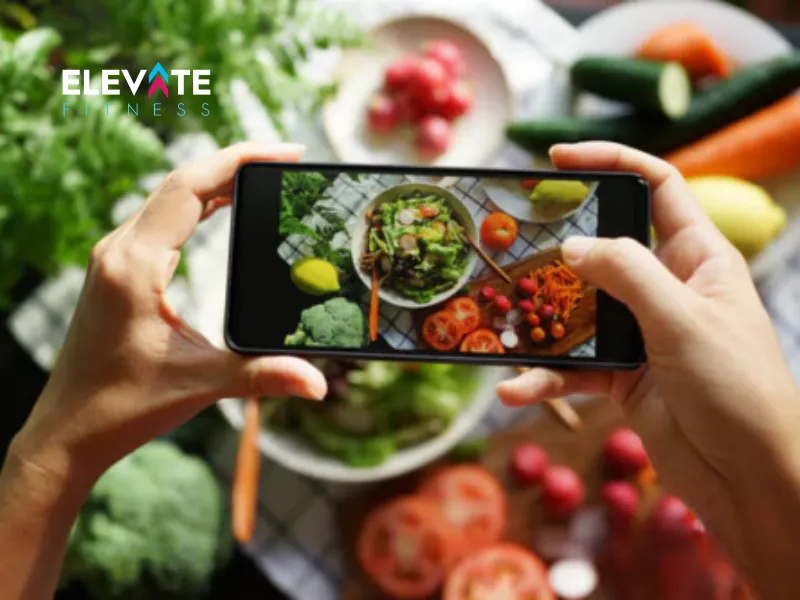
Certified Fitness Trainer Explains | How Visual Cues Influence What (and How Much) We Eat
Have you ever noticed how seeing a beautifully plated dish suddenly makes you hungry even if you weren’t thinking about food a moment ago? Or how eating from a larger bowl seems to make your portion disappear faster? These moments reveal a fascinating truth: visual cues influence how much we eat.
Whether it’s the color of your plate, the size of your serving, or even the lighting in the room, your visual environment can subtly but powerfully shape your appetite, portions, and satisfaction.
Our certified fitness trainers are here to support your health journey. Ready for real, lasting change? Sign up for a FREE online consultation or call us today at (214) 302-9788 to kickstart your fitness transformation with Elevate Fitness Now in Dallas & Coppell.
The Psychology of Eating with Our Eyes
Our sense of sight is one of the strongest drivers of our behavior. When it comes to food, the way something looks often determines what and how much we eat. This is called visual cue–driven eating, where the visual aspects of food and the environment influence your eating choices.
Unlike physical hunger, visual cues work on a psychological level. The brain processes these signals rapidly, often without us realizing it. They can trigger cravings, impact how we judge portion sizes, and even shift how satisfying we expect a meal to be.
Key Visual Factors That Influence Food Intake
1. Plate and Portion Size
The size of your plate can dramatically influence how much you eat.
Studies show that people serve themselves more when using larger plates, bowls, or utensils a phenomenon called the Delboeuf illusion.
Small portion on a big plate → looks too small → you serve more
Same portion on a smaller plate → looks enough → you feel satisfied sooner
Simply switching to smaller dinnerware can naturally help reduce portion sizes.
2. Food Appearance and Color
Color and presentation impact how appetizing a meal feels.
Bright colors like red and yellow stimulate appetite (common in fast-food branding)
Colors like blue may suppress appetite
Contrast matters:
White pasta on a white plate looks smaller
White pasta on a dark plate appears fuller and more satisfying
3. Plating and Presentation
How food is arranged on a plate affects how indulgent and enjoyable it seems.
Research shows that neatly plated meals aren’t just prettier — they enhance perceived quality and encourage slower, more mindful eating.
4. Lighting and Atmosphere
Lighting can change your eating pace and awareness:
Bright, natural lighting → boosts visual appeal
Dim lighting → makes portions harder to judge → leads to overeating
Fast-food settings use bright lighting to encourage quick eating, while fine dining uses soft lighting to promote slow, relaxed meals.
5. Serving Vessels and Shapes
The shape and size of glasses and bowls influence how much you serve and consume.
Tall, narrow glasses = seem fuller → you pour less
Short, wide glasses = seem shallow → you pour more
This especially affects sugary drinks like soda or juice.
6. Visual Clutter and Environment
A messy eating environment can distract you from portion awareness and hunger cues.
Clean, simple table settings encourage mindful, intentional eating.
How Visual Cues Shape Satiety
Visual cues don’t just affect how much we serve they also influence how full we feel afterward.
A fascinating study found that people using a self-refilling soup bowl ate significantly more without noticing… and didn’t report feeling any fuller.
This shows that our eyes, not our stomachs, often guide our sense of satisfaction.
Practical Strategies for Healthier Eating
Here’s how to use visual cues to your advantage:
✔️ Use Smaller Plates and Bowls
Helps control portions effortlessly.
✔️ Increase Plate–Food Contrast
Makes portions look fuller and more satisfying.
✔️ Plate Food Neatly
Neat presentation boosts enjoyment and slows down eating.
✔️ Reduce Visual Clutter
A clean table helps you stay mindful of your meal.
✔️ Be Strategic at Buffets
Use smaller plates and choose quality over quantity.
Conclusion
We often think hunger is purely physical, but eating is just as much a visual experience. By understanding how visual cues affect your appetite and habits, you can create an environment that supports healthier, more deliberate eating.
Next time you sit down for a meal, pay attention to your plate, colors, and surroundings you may be surprised by how much they influence your food choices.
You deserve a personalized fitness plan not a cookie-cutter routine. At Elevate Fitness, our Certified Personal Trainers tailor programs to your goals and lifestyle. If you’re looking for the best personal trainers in Dallas, sign up for a FREE No Sweat Intro or call us at (214) 302-9788.
