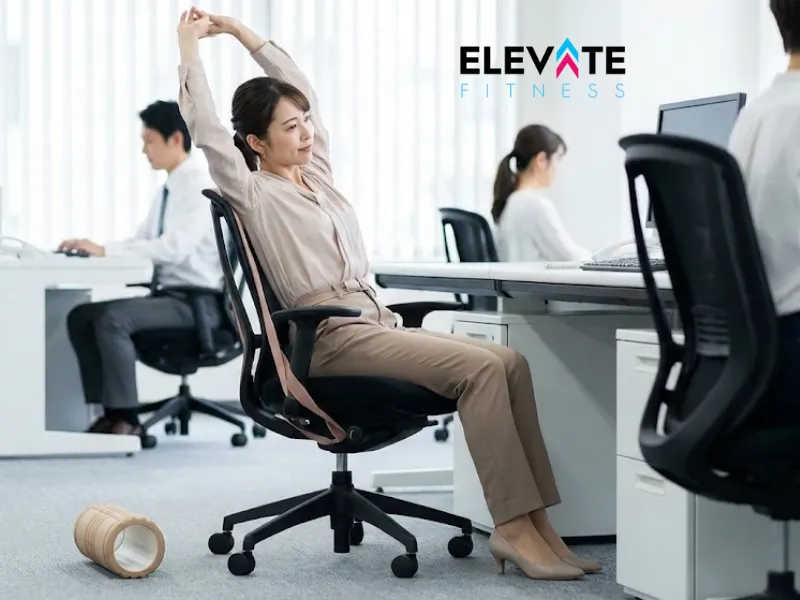
Certified Fitness Trainer Explains | Fitness for Desk Workers: Counteracting a Sedentary Lifestyle
For desk workers, prioritizing health and fitness is essential even in a sedentary environment. By incorporating regular movement, stretching, and exercise breaks, you can combat the risks associated with prolonged sitting and maintain a healthier lifestyle.
Small changes can make a big difference. Start today, and your body and mind will thank you!
The Perils of Prolonged Sitting
Long hours at a desk can impact both physical and mental health:
Physical effects: Neck stiffness, chronic back pain, shoulder discomfort
Mental effects: Decreased mood, higher stress levels, reduced overall well-being
A meta-analysis by Ecklund et al. revealed that 60–75 minutes of moderate-intensity exercise daily can counteract the negative effects of sitting for eight hours. This research provides a practical benchmark for desk workers aiming to protect their health.
Integrating Movement into Your Workday
1. Dynamic Workstations
Alternating between sitting and standing using standing desks or convertible workstations can reduce strain, improve circulation, and boost energy levels.
2. Treadmill Desks
Walking at a gentle pace while working helps increase daily activity, improves circulation, and enhances mental alertness.
3. Stretching and Movement Breaks
Take stretching breaks every 30 minutes, focusing on hip flexors, quadriceps, and lower back. Set reminders on your phone or smartwatch to ensure consistency. Regular movement improves focus and reduces tension throughout the day.
Developing a Comprehensive Exercise Routine
Desk workers should complement daily movement with a well-rounded exercise plan:
Resistance Training: Build muscle, improve posture, and counteract weakening from sitting. Aim for 2–3 sessions per week.
Cardiovascular Exercise: Brisk walking, jogging, cycling, or swimming enhances heart health and boosts energy. Interval training is especially effective in shorter sessions.
Flexibility and Mobility Work: Yoga or Pilates improves flexibility, reduces injury risk, and relieves stress.
Consistency and Personalization Are Key
Consistency: Start with manageable sessions and gradually increase intensity to build sustainable habits.
Personalization: Tailor your routine to your fitness level, goals, and preferences to prevent burnout and stay motivated.
Finding the right balance between work and health priorities ensures long-term results and a healthier desk-bound lifestyle.
Conclusion
A multifaceted approach to fitness combining workplace movement, structured exercise, and smart technology can significantly improve physical and mental health for desk workers. With dedication and the right strategies, maintaining optimal health is entirely achievable, even in a sedentary job.
At Elevate Fitness, we provide expert coaching, accountability, and personalized results. Our Certified Personal Trainers in Dallas are here to guide you every step of the way. Book your FREE No Sweat Intro or call us at (214) 302-9788 today!
